
Wildfires are an increasing threat in many areas of Canada, especially where warm summers, dry brush, and high winds can lead to conditions conducive to quick fire spread. Communities that are located adjacent to forests and grasslands must therefore exercise caution, especially as climate change increasingly alters weather patterns such that seasonal fire activity becomes more unpredictable. Wildfires aren’t just the product of climate change — with fire damage restoration services, they’re also a reminder of how people should be proactive about efforts to maintain land and stay aware of potential disasters.
The Okanagan has long, hot summers that can dry out vegetation and make grass, shrubs, and forest debris potential fuel. And on extremely hot and windy days, even a tiny spark — from lightning, equipment, or campfires left untended — can grow rapidly into a wildfire. It’s why Kelowna pays close attention to the threat of fire during peak summer months, with local authorities also enacting regulations such as fire bans or limits on burning outdoors to minimize risk.
Wildfires can spread quickly across forests and grasslands, often driven by wind patterns and terrain. On slopes, flames can race uphill more quickly than firefighting crews manage to seal them in. When communities live in close proximity to wooded areas, the interface between residential neighborhoods and natural landscapes — commonly referred to as the wildland-urban interface — becomes particularly at risk. Many neighbourhoods that are at risk for fire in Kelowna are of this ilk, where homes and infrastructure live in close proximity to a forested landscape.
There are several critical steps homeowners can take to mitigate the risk of wildfire. One such method is establishing a defensible space around properties by clearing away the dry vegetation from yards, expanding tree branches, and cleaning out combustible materials on decks. Using fire-resistant roofing materials, scraping out gutters, and storing firewood away from buildings can also lessen vulnerability. These are especially important in any community where fire in Kelowna has been a seasonal threat.
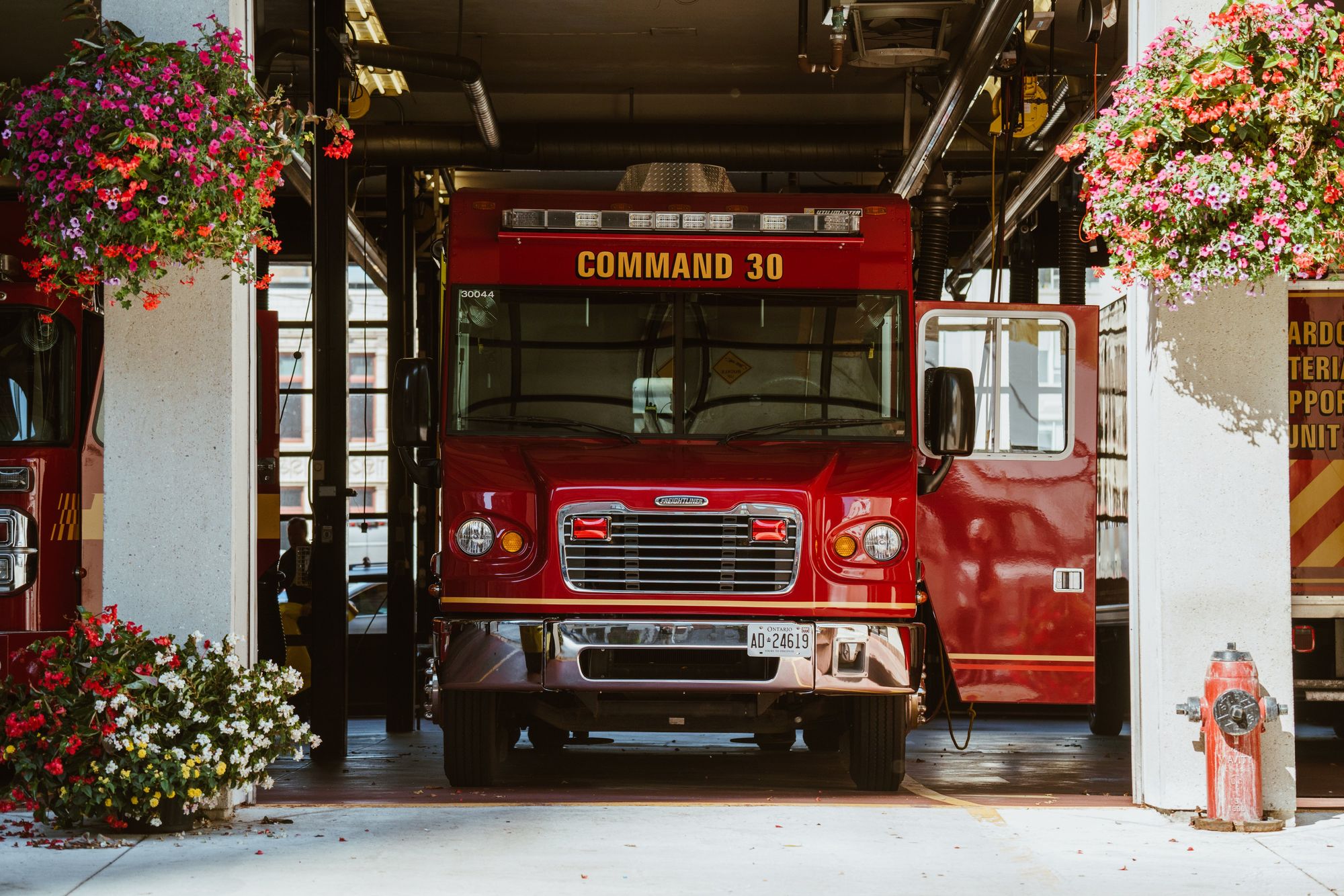
Local governments and emergency responders also have an important role to play in wildfire preparedness. Fire departments often work with provincial agencies to track conditions, monitor lightning activity, and deploy firefighting resources if needed. Advocacy campaigns for the public promote adherence to fire safety laws and preparedness for possible evacuation instructions during periods of high risk. Early warning systems and coordinated emergency response plans are some of the ways to ensure that communities respond swiftly when fires encroach on populated areas.
In recent years, wildfire management strategies have grown to encompass new tools, such as forest thinning and controlled burns. Such practices reduce excess vegetation that could otherwise sustain larger, more devastating fires. Land managers seek to create landscapes more resistant to wildfires by limiting the accumulation of dry forest litter.
As environmental conditions develop, so does the need for community awareness and preparation. Most of the work of evacuating this city in case of fire relies on residents, emergency responders, and land management agencies. Through proactive safety measures, better planning, and responsible land use, communities can mitigate the impacts of wildfires while safely coexisting with Canada’s beautiful but fire-sensitive ecosystems.
Joseph is the author of this article. For more details about the professional property damage restoration, please visit our website: totalrestoration.ca.